The Art of Paper: Finding the Best GSM for Fountain Pen Writing
In the gardens of Al-Andalus, scholars once pressed their reed pens to paper made from cotton and linen, their words flowing like water through an Arabic courtyard. The paper they chose mattered as much as the ink they mixed each sheet a canvas for poetry, mathematics, and philosophy that would illuminate civilizations.
Today, that same reverence for the writing surface continues. When you find it best to honor your thoughts with a fountain pen, the paper beneath becomes your silent partner in creation. Understanding GSM the measure of paper's soul and substance transforms writing from mere recording into an art form worthy of the Andalusian masters.
The Weight of Words: Understanding GSM in Mediterranean Tradition
GSM measures grams per square meter, the density of paper's being. Like the varying weights of silk along the trade routes from Damascus to Granada, paper reveals its character through substance.
In the scriptoriums of medieval Córdoba, papermakers understood that thickness determined destiny. A heavier sheet could hold the wetness of walnut ink without surrender. Today's GSM numbers echo that ancient wisdom, higher numbers mean thicker paper, better suited to the flowing inks that fountain pens release.
Standard paper at 80 GSM serves daily tasks, much as simple cotton served everyday robes. But for writing that matters, for thoughts you wish to preserve like illuminated manuscripts, you seek paper between 100 and 160 GSM. This weight carries your words without betraying them to the page beneath.
The relationship is elemental: heavier paper provides more fibers to embrace ink rather than allow it passage through. It creates a barrier as effective as the geometric patterns in Islamic architecture beautiful in function, purposeful in form.
Finding It Best: The Right Weight for Your Instrument
For Simple Pens (80-100 GSM)
Ballpoint and rollerball pens ask little of paper. Their inks dry quickly, like summer wind across Mediterranean stone. For these instruments, lighter paper suffices. The writing remains clean, the pages turn easily, the journal travels light in your hand.
For Mixed Expression (100-120 GSM)
Gel pens and fine markers occupy the middle path, like the fusion of Eastern and Western thought in Al-Andalus. Paper at 100-120 GSM welcomes this versatility. You can sketch, write, and embellish without fear. This range represents the golden mean substantial enough to prevent problems, light enough to remain practical.
For Fountain Pens (120-160+ GSM)
Here lies the true test of paper's character. Fountain pens release liquid ink generously, as Persian poets released verses abundant and flowing. Paper must be worthy of this offering.
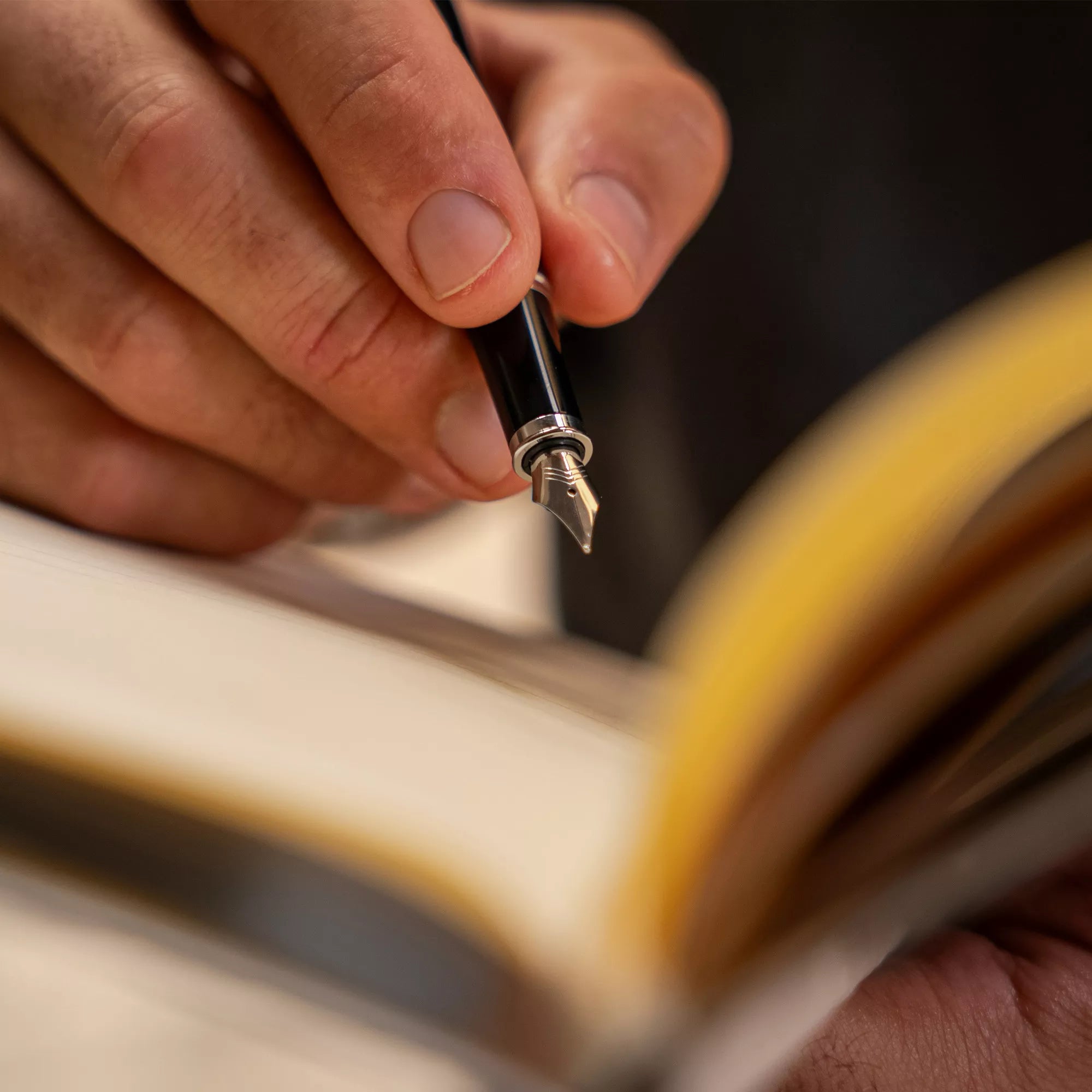
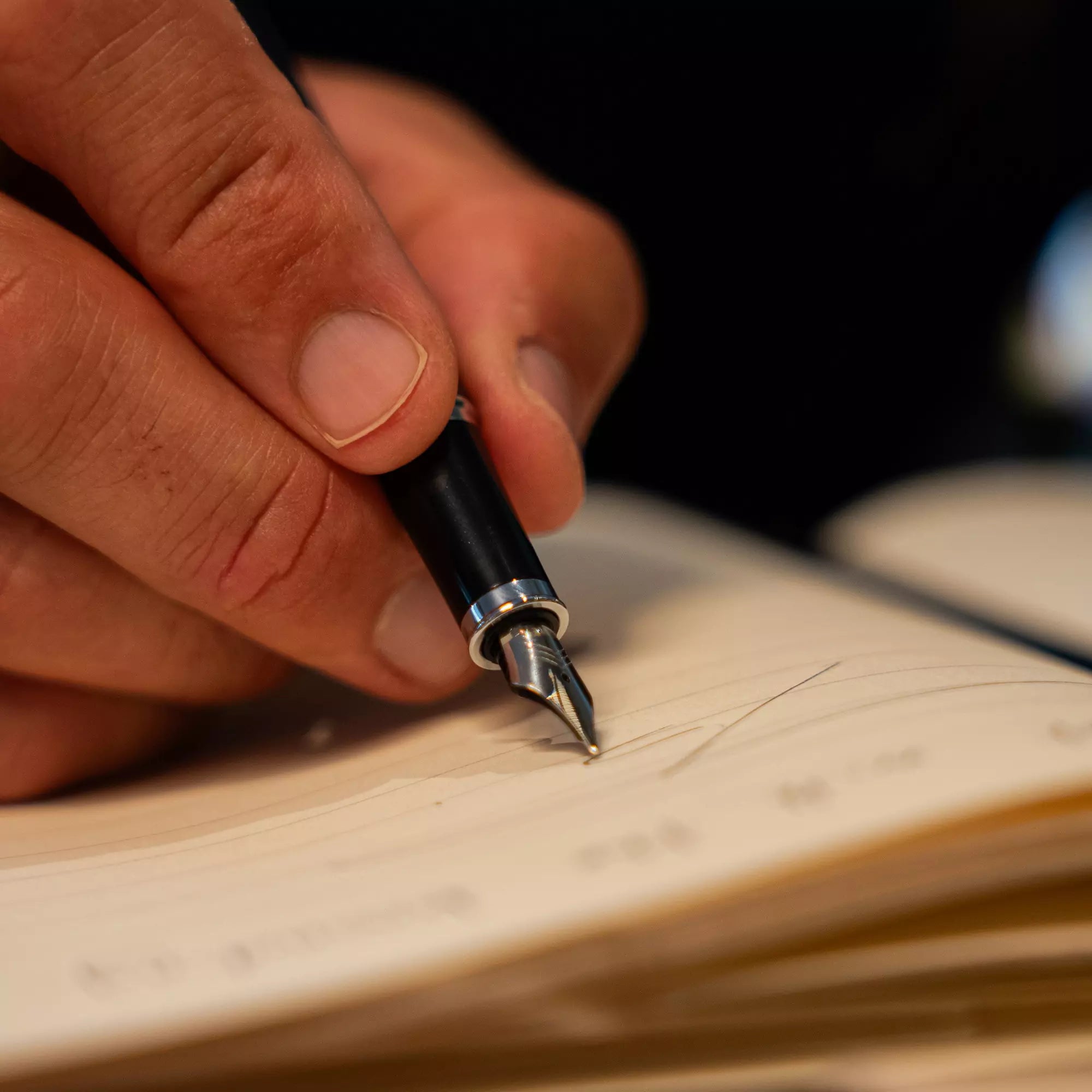
At 120 GSM minimum, preferably 140-160 GSM, paper achieves nobility. Your nib glides across the surface like a boat on the Guadalquivir. The ink settles into fibers without bleeding through, creating letterforms as crisp as Arabic calligraphy carved in marble.
This weight honors the instrument. It honors the writer. It honors the tradition of beautiful writing that stretches back through centuries of Islamic scholarship.
Beyond Weight: The Hidden Qualities
Two papers of identical GSM can perform as differently as two musicians playing the same instrument. The secret lies in treatment and composition.
Sizing: The Invisible Guardian
Sizing prevents ink from spreading uncontrolled across paper, much as channels guide water through Alhambra's gardens. The best paper features internal sizing, treatment woven into the paper's very essence. This creates resistance that shapes your writing without obstruction.
Texture: The Touch of Craft
Surface texture matters as much as weight. Smooth paper allows your pen to dance. Paper with slight texture provides feedback, encourages mindfulness, slows you into presence. The finest papers balance these qualities like light and shadow in a Moroccan courtyard.
Opacity: The Art of Discretion
Even thick paper may show ghosts of text from reverse sides. Cream-toned papers, reminiscent of aged parchment in ancient libraries, disguise these shadows better than stark white sheets. They rest the eye while preserving the mystery of what you've written.
Testing Paper as the Ancients Would
Before committing words to pages, test your paper with intention:
Write several lines with your fountain pen. Turn the page. Does ink penetrate through? Unacceptable. Does it feather at edges like unraveling thread? The paper lacks proper sizing. Does it dry within half a minute? The paper welcomes your ink appropriately.
These simple tests reveal everything. Paper either honors your instrument or betrays it. There exists no middle ground when writing matters.
The Takafa Standard: 85 GSM with Purpose
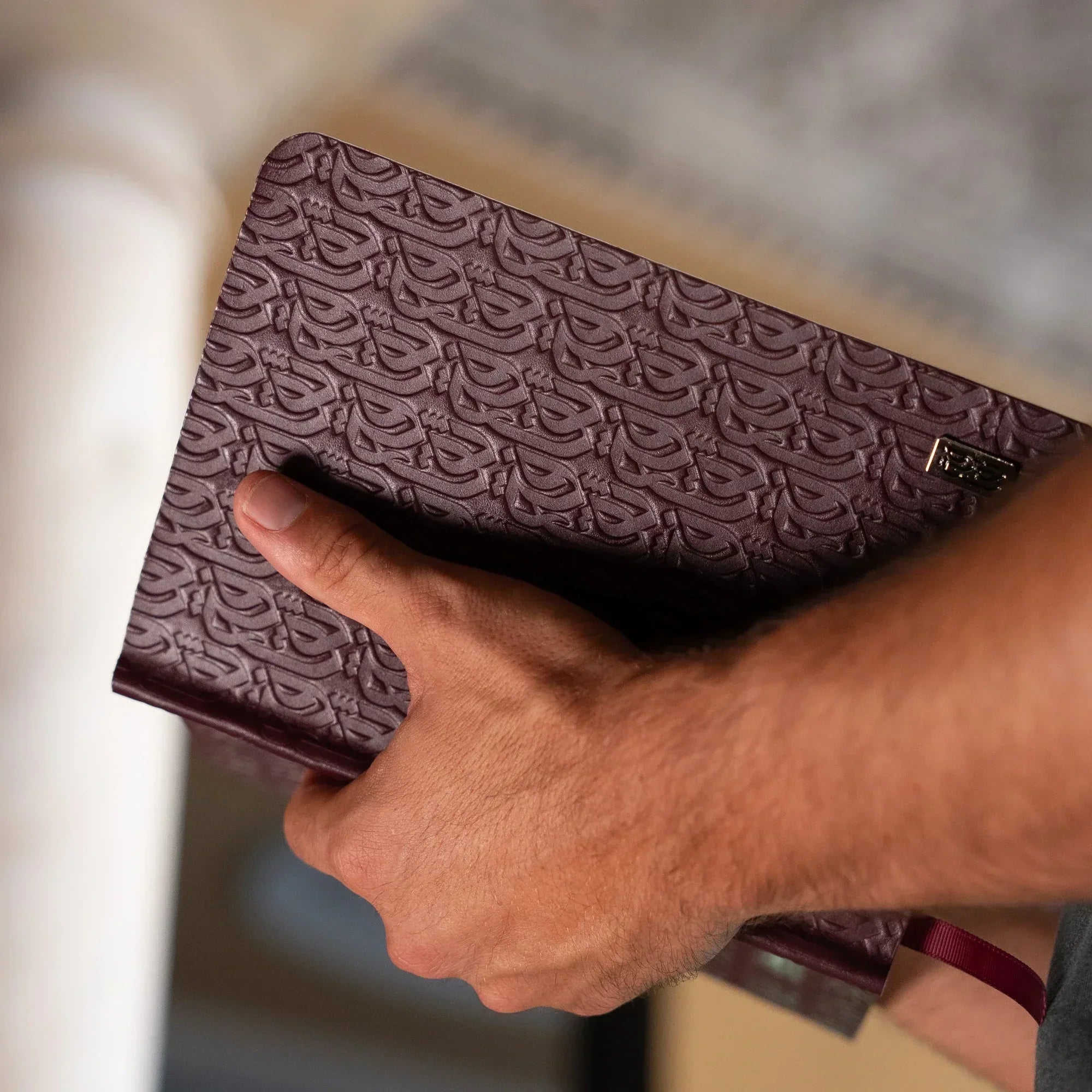
We select paper as carefully as we source leather with reverence for material and respect for tradition. Our 85 GSM paper carries fountain pen ink beautifully while maintaining the lightness essential to daily use.
This weight emerges from testing, from understanding how ink and paper converse. It represents the practical wisdom of craftspeople who refuse to compromise yet recognize that excessive weight serves ego rather than purpose.
The slight cream tone of our pages recalls the paper of Al-Andalus, reducing eye strain while warming every word you write. This is paper that invites you to sit, to breathe, to let your thoughts flow like water through a qanat.
Where Craft Meets Spirit
In Rumi's words, "Let the beauty we love be what we do." When you choose paper worthy of your fountain pen, you honor not just the instrument but the act of writing itself.
Paper with proper GSM doesn't merely prevent technical problems. It elevates the experience, makes writing a meditation, transforms daily journaling into a practice as meaningful as the poetry circles of Andalusian gardens.
Find it best in paper that matches your instrument. Find it best in journals where every element leather, binding, paper works in harmony. Find it best when your words flow freely, when ink settles perfectly, when nothing interrupts the conversation between thought and page.